💗 Let's all be kind!
About NeuroKind
The story behind this space - and the person building it.
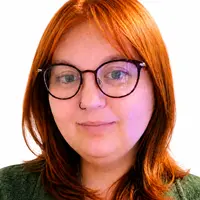
Hi, I'm Sam
I'm a counseling student on the journey to becoming a therapist, and I'm also neurodivergent. NeuroKind is my way of bringing those two parts of my life together - and hopefully creating something helpful for others along the way.
Like many neurodivergent people, I spent a lot of my life feeling like I was doing something wrong. Struggling in ways other people didn't seem to struggle. Needing accommodations I didn't know I was allowed to ask for. It wasn't until I started learning about neurodivergence - first for myself, and then as part of my counseling training - that things began to click into place. The way my brain works isn't a flaw. It's a difference. And difference isn't something that needs to be fixed - it's something that needs to be understood and made room for.
That realization shaped everything. It's why I chose to go into counseling. It's why I believe so strongly that mental health support should adapt to the people it's meant to serve, rather than the other way around. And it's why I created NeuroKind.
Sam is a graduate-level counseling student with clinical training in therapeutic modalities including person-centered therapy, cognitive behavioral therapy, and trauma-informed care. Sam's perspective is shaped by both lived experience as a neurodivergent person and formal education in mental health. Content on NeuroKind reflects this dual lens - personal understanding grounded in clinical knowledge. Nothing here is a substitute for professional advice, but it comes from someone who takes both the science and the humanity of mental health seriously.
What I'm Working Toward
Right now I'm in the thick of counseling training - learning about therapeutic modalities, sitting with clients in practicum, and doing the ongoing work of understanding myself so I can better show up for others. It's challenging and humbling and deeply rewarding.
My goal is to become a counselor who offers genuinely neurodiversity-affirming care - someone who doesn't just tolerate neurodivergent clients but truly understands and works with them. I want to help create a world where neurodivergent people don't have to fight to be taken seriously by the mental health system.
What NeuroKind Is
NeuroKind started as a simple idea: what if there was a space where neurodivergent people could find information, connection, and support - all in one place? No gatekeeping, no jargon, no pressure to perform neurotypically.
This site brings together:
- Blog posts - reflections on neurodivergence, mental health, and what I'm learning as a counseling student
- News - the latest research and community happenings
- A Wiki - a growing knowledge base covering neurodivergence, mental health, and counseling theories
- A community chat - a place to actually connect with other people who get it
None of this is meant to replace professional support. But I hope it helps you feel a little less alone, a little more informed, and a little more seen.
A Few Things I Believe
- You are not too much. You are not broken. You are not a problem to be solved.
- Accommodation is not a privilege - it's how access works.
- Mental health care should adapt to you, not the other way around.
- Community heals in ways that individual coping strategies never can.
- Kindness is not naive. It is a practice and a discipline and a radical choice.
If any of this resonates, you're in the right place. Welcome to NeuroKind.
- Sam
Find Me Online
Follow along for neurodivergence content, updates, and community.
Full FAQ
Neurodivergence refers to natural variations in the human brain. It includes conditions like autism, ADHD, dyslexia, and others. The neurodiversity paradigm views these differences as natural human variation rather than deficits.
Yes. NeuroKind recognizes that neurodivergence and mental health often intersect. This space is for anyone navigating their mind, whether that includes a diagnosed condition, self-discovery, or simply the desire to understand yourself better.
We welcome stories, resources, and community input. Reach out through our contact page to learn about contributing, sharing your experiences, or joining our community efforts.
Start with learning. Read about different neurotypes - autism, ADHD, dyslexia, AuDHD - and see what resonates. Online communities like r/neurodiversity and r/AuDHD are great places to hear from people with lived experience. If you want to pursue a formal assessment, talk to your primary care provider about a referral. But you don't need a diagnosis to start accommodating your needs or connecting with the community.
Yes. Self-diagnosis is widely accepted within neurodivergent communities. Formal assessment can be expensive, inaccessible, or biased - especially for women, nonbinary people, and people of color. If you've researched a neurotype and it meaningfully explains your experiences across multiple contexts, that's valid. You know your own brain better than anyone.
Neurodivergence refers to lifelong neurological differences like autism, ADHD, and dyslexia - these are brain wiring differences present from an early age. Mental illnesses like depression, anxiety, or PTSD are conditions that can develop at any point and often fluctuate. They frequently overlap: many neurodivergent people experience anxiety or depression, often from navigating a world not built for them. Both deserve care and accommodation.
NeuroKind is an informational and community space - we don't provide therapy or medical advice. If you're looking for a neurodiversity-affirming therapist, check our Resource Hub. If you're in crisis, please contact a crisis line, emergency services, or a trusted support person.
💗 Let's all be kind!